Since 1635
The Arctic Table
What the sea and the land gave.
Food for survival
More than taste.
In the North, food was never only about flavour. It was about getting through the winter. When the Hegelunds came to Karlsøy in 1635, they brought Danish refinement to a coast where everything had to be dried, salted or smoked to last until spring.
From that meeting grew a family kitchen of its own – simple, resourceful and built on what was at hand.
Preserving the year
Dried, salted and smoked.
Stockfish
Cod dried on wooden racks in the wind. Exported from Norway since the Viking Age, and for centuries the country’s most important export.
Flake salt
The taste of the Arctic Ocean. Used by the family since the 1600s to cure fish and meat for the long winter.
Cold-smoked salmon
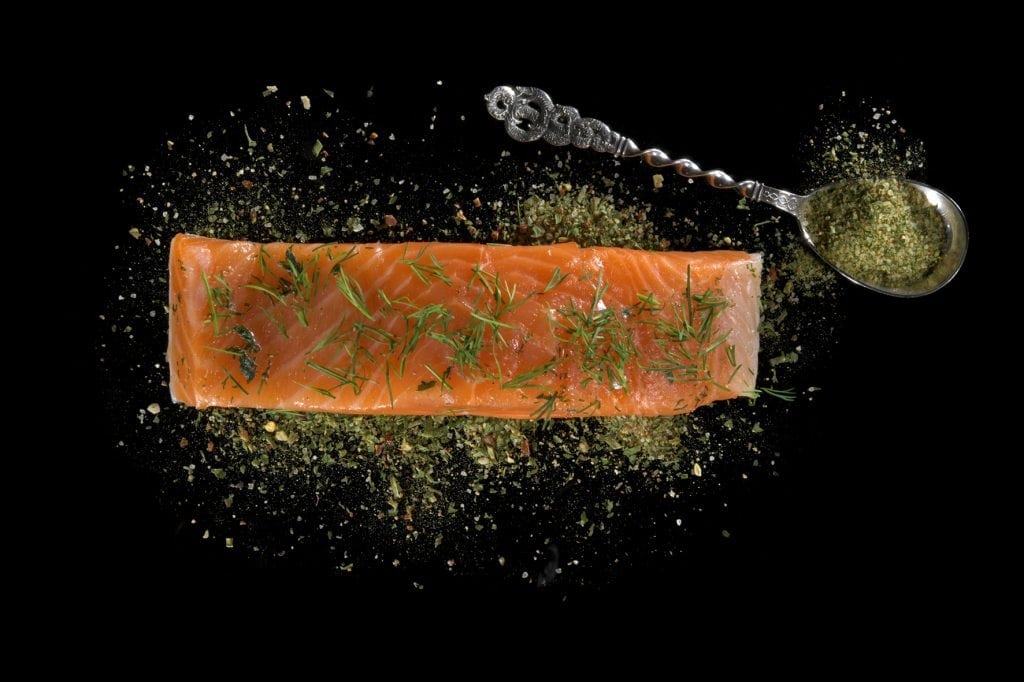
Smoked slowly over juniper wood, with a dash of spirits on the fillets – Danish tradition meeting local knowledge.
Flatbread
Millimetre-thin and baked dry, it kept for more than a year in wooden buckets. The food of fishermen and hunters at sea.
From sea and land
What the seasons gave.
Cod and halibut
The sea came first. Cod through the winter fisheries, and halibut from the deep – the family record is a fish of 220 kilos.
Grouse
Hunted in the autumn hills. A welcome change from fish through the dark months.
Cloudberries and bilberries
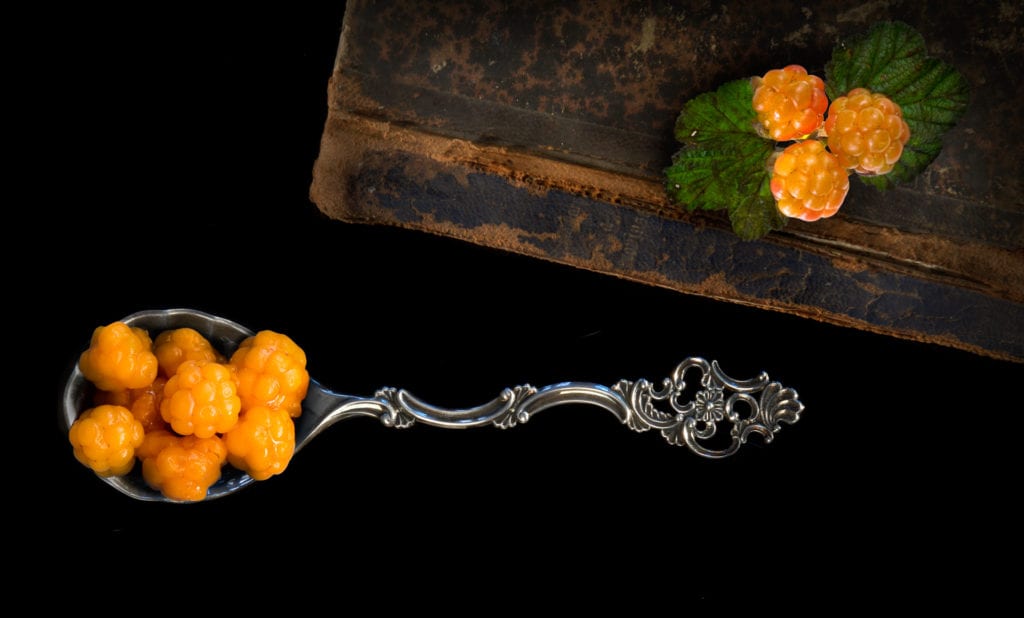
“The gold of the mountain” – treasured as a treat and as a remedy against scurvy. Each summer the family picked berries on the island fells and preserved them for winter.

Trade
What the ships brought.
Each summer the jekts sailed south to Bergen with stockfish and cod liver oil, and came home with grain, salt and goods from the continent.
From the east came the Pomor traders of the White Sea, with rye flour to trade for fish. And, as the family remembers it, caviar – the most treasured of all the goods that reached Karlsøy.
From the family kitchen
Recipes and stories.
Smoked Salmon à la Hegelund
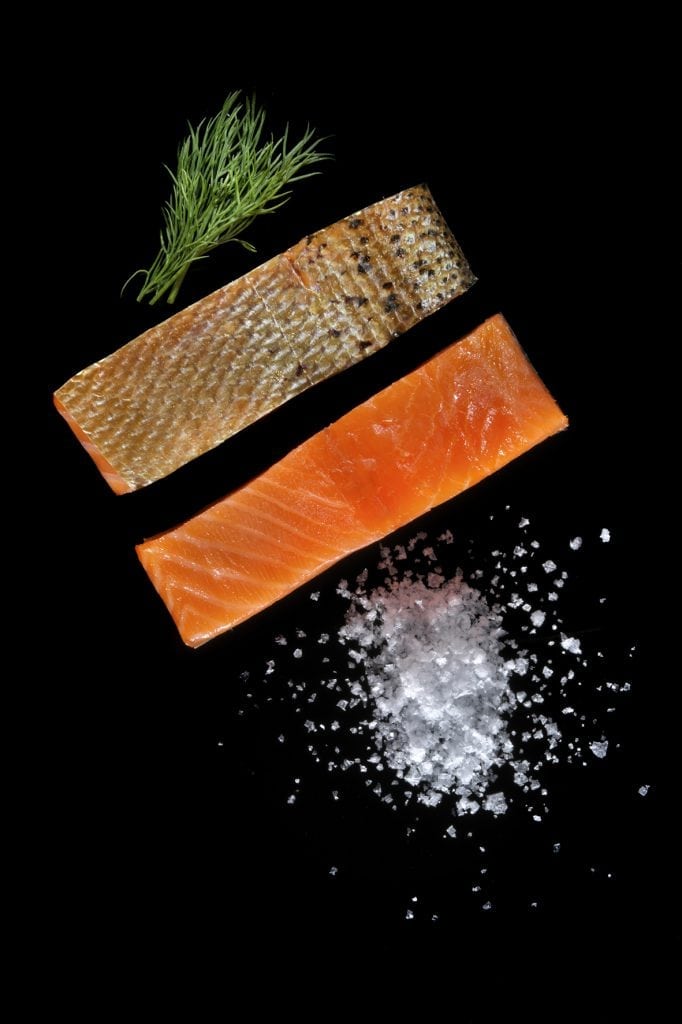
The family’s own way of cold-smoking salmon, brought to Karlsøy in 1635.