
Our homesteads
The places that made us.
The countryside just outside of Tromsø is a land of amazing opportunities and unique activities.
Our proud history
True pioneers of the archipelago.
When the first Hegelunds settled in the archipelago of North Norway, they did so as true pioneers. Back then, Tromsø did not even exist (it would be established much later, in 1794), and the island population was spread far and wide across the fjords, straits and sounds.
Life could be tough in these pre-industrial times when you were a single family, isolated on a small isle, several hundred kilometers north of the Polar Circle. Nevertheless, the Hegelund clan endured, labored, and even thrived. Forming alliances with other prominent local families like the Figenschou, they traded with both Russia and South Norway and progressively spread all across the archipelago, establishing various farms and homely estates.
There, they developed their own traditions where hunting, fishing and sailing stood central. Almost four centuries later, these traditions and histories are still as lively as ever, and can now be experienced by anyone bold enough to visit these Arctic shores.

Karlsøy and North Troms
Life and traditions.
Grouse hunting
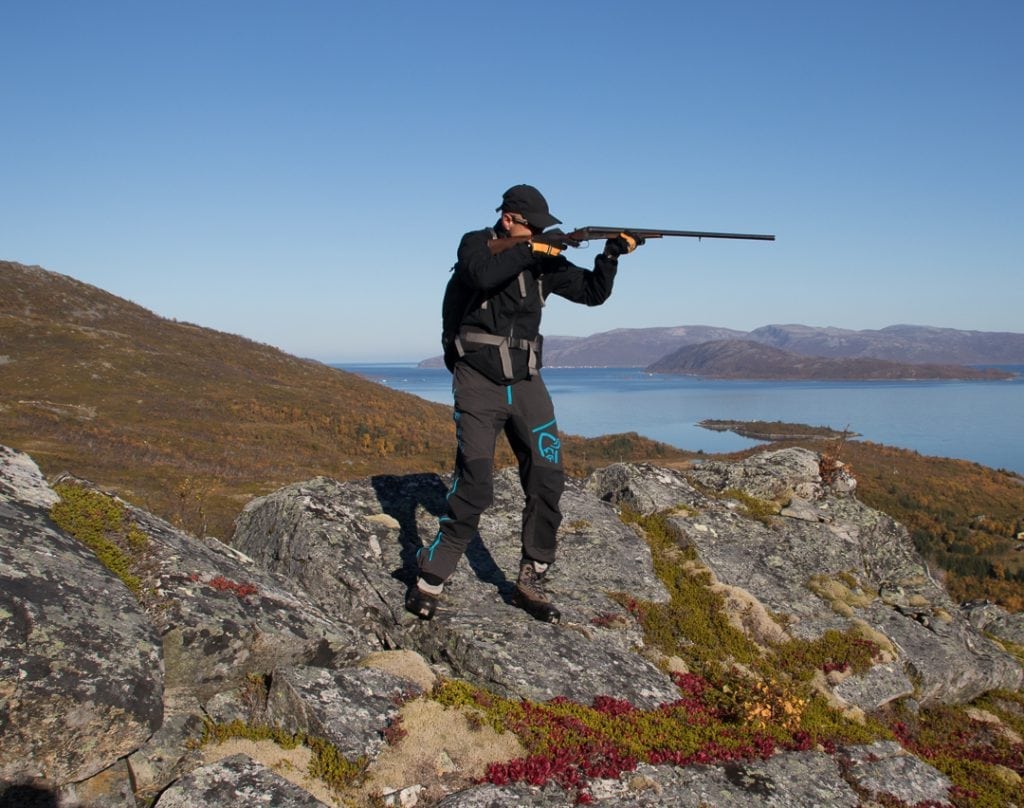
The Hegelund family has been hunting grouse (lagopus lagopus) and willow ptarmigan (lagopus muta) for several hundred years in what might very well be the best location for chasing these often elusive birds. In older times, this particular type of hunt was a crucial element of the family’s subsistence activities, especially in the autumn.
Nowadays, grouse hunting has turned into a more sport-oriented activity as well as a great opportunity to experience the wild nature.
The yet unmatched family record for grouse caught in a single day is 82.
Halibut fishing
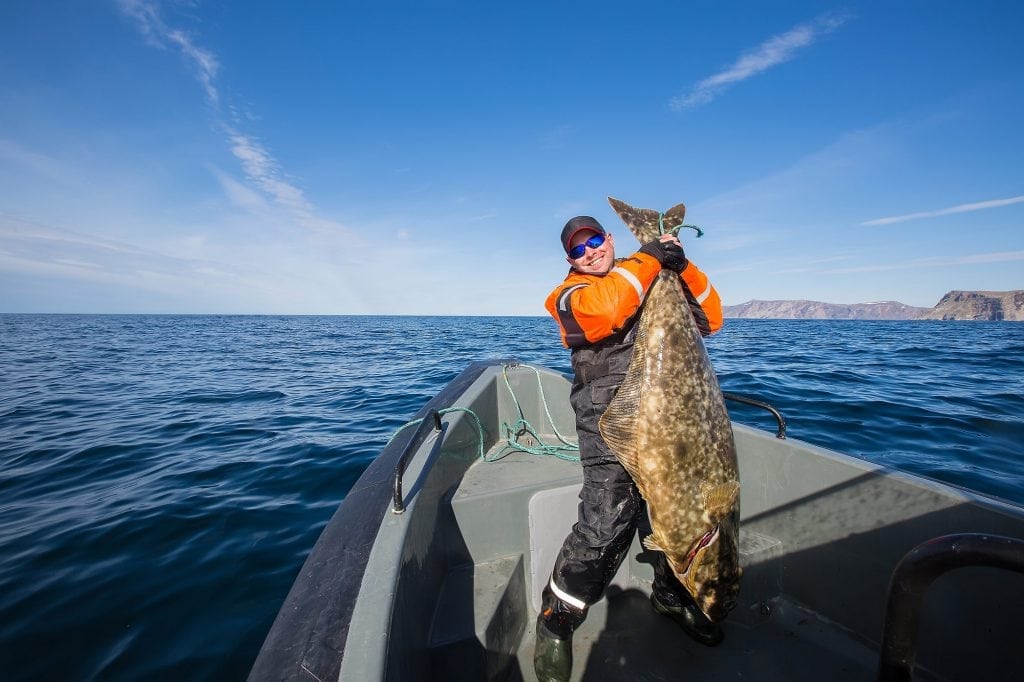
One major reason the Hegelund family settled along the cold coast of Karlsøy was the access to fish. Cod, pollock, salmon, monkfish, and especially halibut, all abound in the region. In the Hegelund family, tips and secrets about halibut fishing have been ceremoniously passed down from generation to generation.
Between the time the halibut bites and the moment it has finally been wrestled up to the boat, 20 to 40 minutes might very well have passed.
The average halibut weighs “only” 30 to 60 kilos. The largest ever caught in the family weighed 220.
Alpine touring in the Lyngen Alps
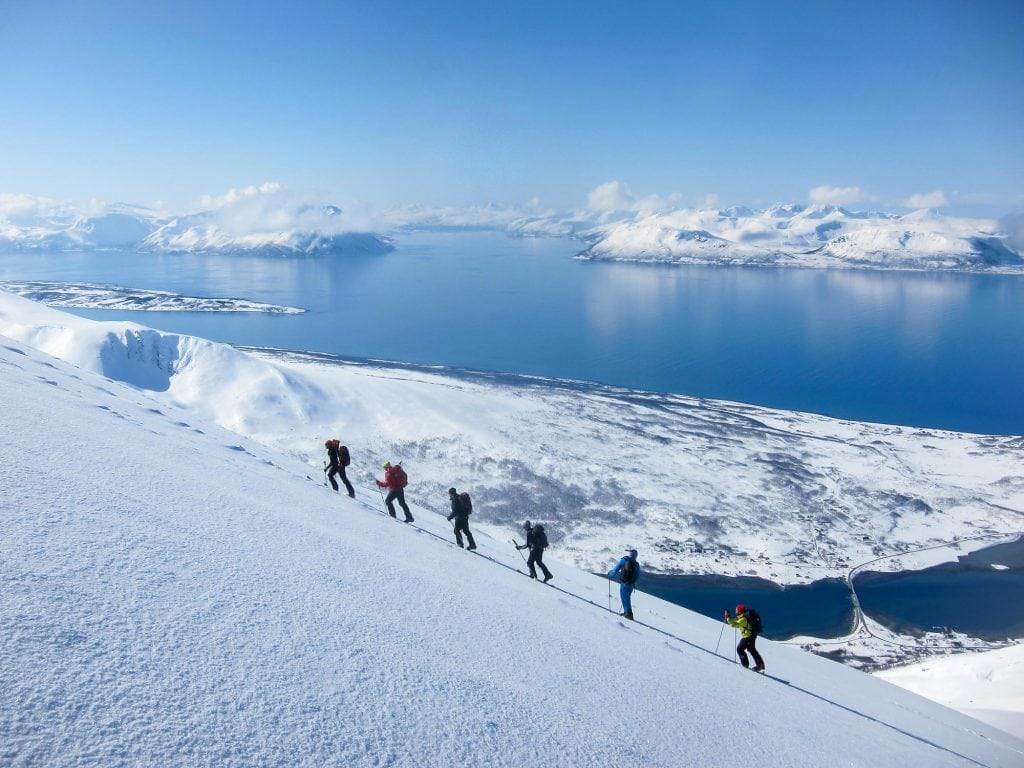
Just south of the North Troms archipelago lies a massive and breathtaking mountain range: the Lyngen Alps. With numerous glacier-covered valleys and dozens of peaks rising from the deep blue fjords to between 1400 and 1800 meters, it is considered one of the most beautiful areas in the entire country.
In the olden days locals went out on skis and crossed these peaks to go from farm to farm and village to village. Today visitors from all over the world come here for anything from half-day trips to 11-hour expeditions that end by the fjord.
The history of Karlsøy
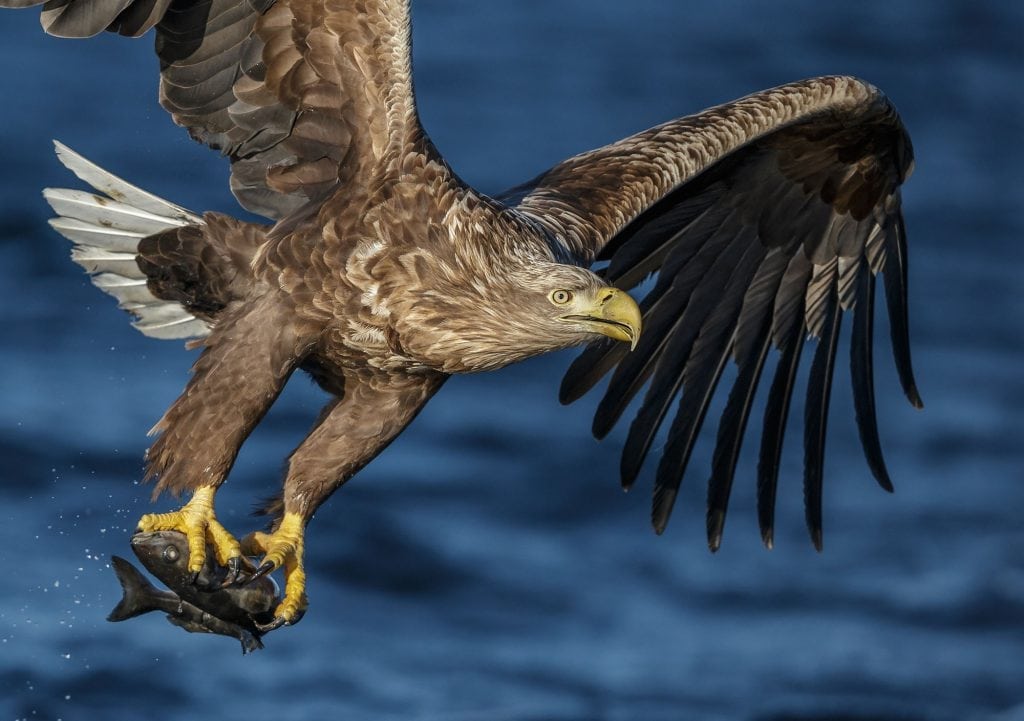
Located off the northern coast of Troms, Karlsøy Municipality consists of more than 600 islands. Its largest island, Ringvassøy, harbours Norway’s largest freshwater island lake, and Europe’s largest colony of white-tailed eagles is found nearby on Nord-Fugløy.
Karlsøy has been continually inhabited for over 10,000 years.
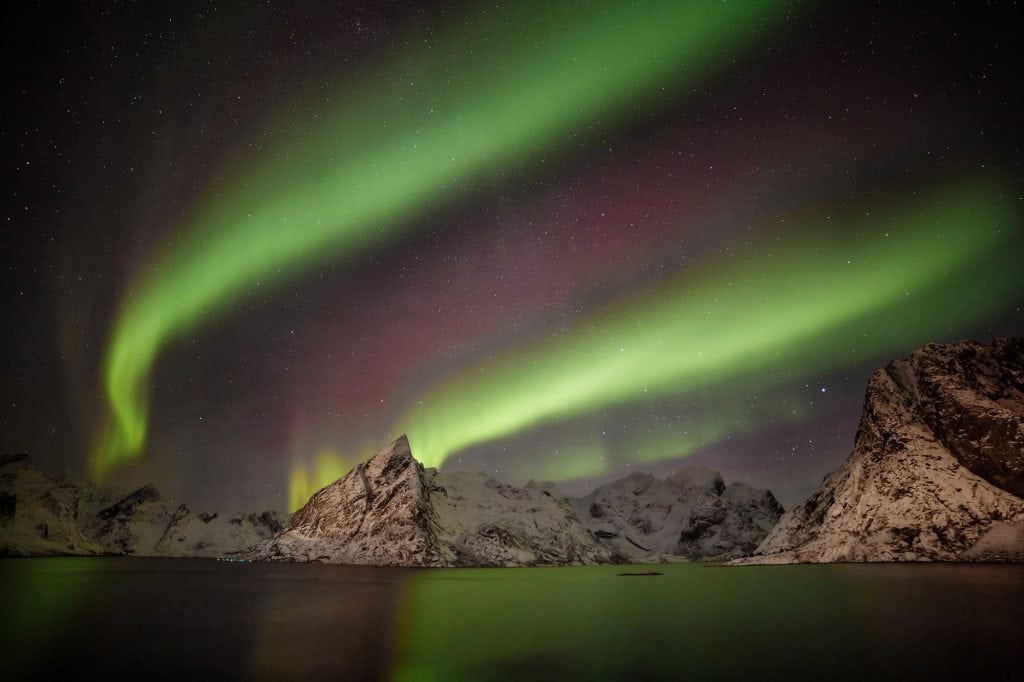
The Northern Lights
Far from the city, the countryside of North Troms is mostly free of the artificial light that makes the aurora hard to spot, which makes it one of the best areas in the country to see the Northern Lights.
A visit in the middle of the Polar Night, when the sky turns ink black by 3 PM, is an authentic experience of untouched Arctic nature.
The Midnight Sun
After the long winter, nothing enthuses North Troms locals more than the Midnight Sun, from May to July. At the Hegelund family home it was common to sail to one of the countless remote islands in Karlsøy to enjoy a locally brewed Mack beer and a seagull egg under the bright summer sky.

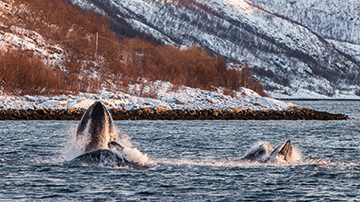
Whale watching
The first inhabitants of this archipelago were not humans, but sea mammals such as seals and whales. In the old days, whale oil and meat were crucial for the survival of the local population.
Today the waters are teeming with orcas almost every winter day, and on special occasions humpback whales join them to feed on fresh herring.